CASE STUDY: Baker’s Almshouses, Stutton, Suffolk
When almshouse charities face major repair costs or seek to expand provision for people in housing need, financial support can make the difference between decline and long-term sustainability. As part of its member services, The Almshouse Association provides grants and interest-free loans to help charities maintain, improve and develop their housing for residents.
This case study highlights how, with the support of a £25,000 grant from The Almshouse Association and despite numerous setbacks along the way, through sheer determination, the trustees of the Baker’s Almshouses in Stutton were able to complete a full renovation of one of their almshouses.
The Baker’s Almshouses in Stutton have been providing homes since 1863. This charming row of five Grade II listed almshouses has served the local community for more than 160 years, but like many historic buildings, the passage of time had begun to take its toll.
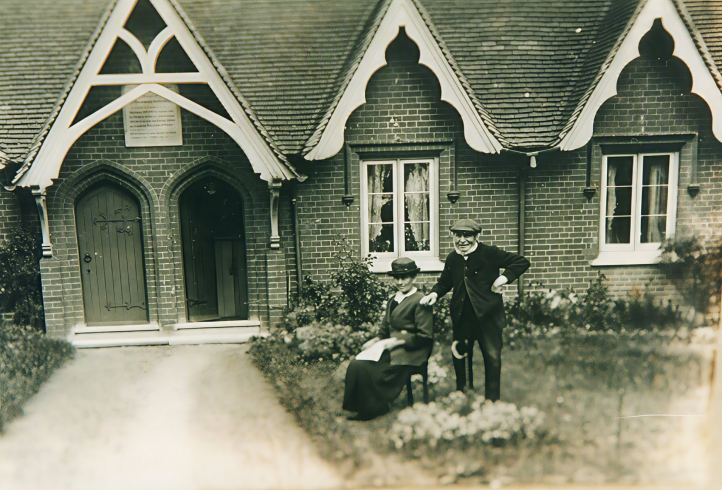 Baker’s Almshouses 1900s
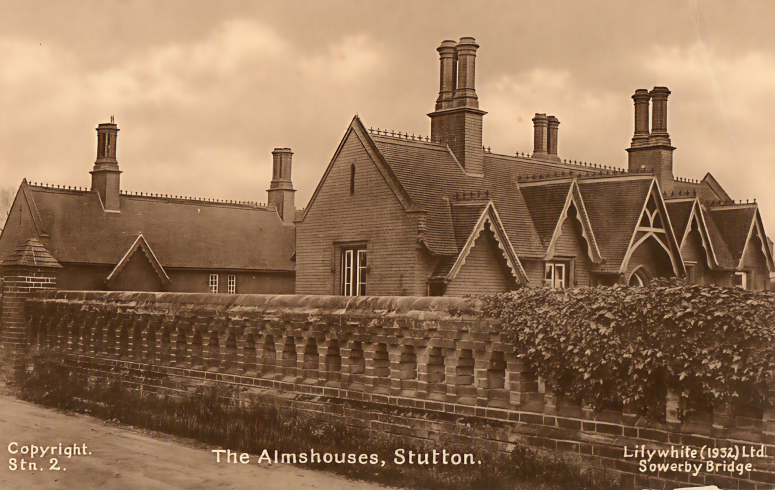 Baker’s Almshouses 1932
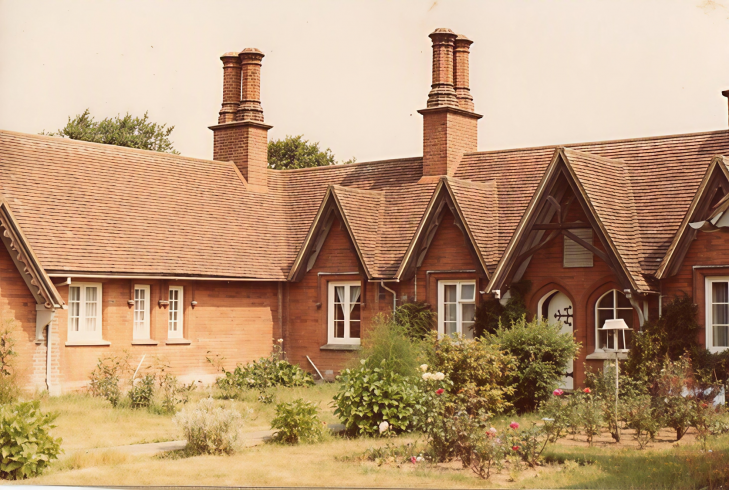 Baker’s Almshouses 1984
When a new Board of Trustees was established in 2023, one of its priorities was to take a more strategic approach to caring for the almshouses. Rather than continuing with piecemeal repairs, the trustees wanted to protect the building’s heritage while improving the comfort and quality of life for residents.
An architect was appointed to develop a programme of works, including improving drainage around the building, repointing the brickwork and chimneys, and carrying out a full refurbishment of No. 4, which had become difficult to let in its existing condition.
Turning ambition into reality
The original project was ambitious, with an estimated cost of just over £141,000. The Almshouse Association awarded a £25,000 grant, and the trustees submitted numerous funding applications, but they were unable to secure enough funding to deliver the full programme.
Rather than delay improvements altogether, the trustees made the difficult decision to focus on refurbishing No. 4, ensuring that at least one home could be brought back into use for someone in housing need. The refurbishment included:
- replacing the floorboards
- installing underfloor insulation
- removing an outdated pantry
- fitting a new kitchen and bathroom
- redecorating throughout.
Challenges along the way
As with many building projects involving older properties, the work proved more challenging than expected.
- As the architect felt that the project was too small for him to remain involved, one of the trustees agreed to take on the role of project manager. Completion timescale was eight weeks, which seemed rather long for the amount of work involved but was agreed by the project manager. In the end, it was 15 weeks before the house could be occupied.
- One of the main attractions for using the chosen building firm was that it was a large company with significant experience in dealing with old and listed buildings. Unfortunately, this did not prove to be the case. Most of the tradespeople were contractors and were working on multiple projects hence were often pulled off the almshouse project to fill gaps on other jobs.
- The firm’s project manager was difficult to contact and when finally reached would give false promises regarding completion times and standard of work which fell short of expectations, requiring considerable time and persistence from the trustees to resolve outstanding issues.
To add to the external challenges, the trustee managing the project resigned before completion, placing additional pressure on the remaining trustees. But, despite all these setbacks, the trustees stayed committed to seeing the project through and ensuring the home was completed to a suitable standard.
Lessons for the future
Every project provides valuable learning, and Baker’s Almshouses was no exception. In putting together this case study, the trustees have been candid and expressed the importance of:
- carrying out thorough due diligence when appointing contractors
- ensuring specifications are crystal clear
- maintaining regular communication throughout a project
- being prepared to challenge issues as they arise.
Perhaps most importantly, the Board recognised that while trustees bring a wealth of experience and commitment, specialist external support is sometimes essential to deliver complex capital projects successfully.
Looking ahead
Although the journey was not without its difficulties, the refurbishment of No. 4 has created a warm, comfortable and attractive home that is once again available for someone in housing need.
The experience has also strengthened the trustees’ confidence and equipped them with valuable knowledge for future projects. Their commitment to preserving these historic almshouses means that Baker’s Almshouses will continue to provide safe, affordable homes for many years to come.
The Almshouse Association was delighted to support this project through its grants programme, helping to ensure that another historic almshouse can continue its long tradition of providing homes and communities for those who need them most.
We would like to thank all the people and organisations who so kindly donate to The Almshouse Association and leave gifts in their Wills. Without their generosity, we would not be in a position to help support almshouse charities with their renovations and new builds.
The Almshouse Association awards loans and grants to our member charities every year. In 2025, £1,198,500 was approved in new loans and grants totalled £50,000. Charities pay no interest on the loans, just a small administration fee. As they make repayments on the loans over a ten-year period, the Association can continue to offer loans to charities year after year, meaning that your donations continue to support almshouses and their residents in perpetuity.
If you are interested in making a donation to The Almshouse Association or leaving a gift in your Will, please do visit our Support Us pages here.
posted 9 July 2026