A Case Study
The Almshouses of the Holy Name is a small charity based in Hurstpierpoint, comprising a terrace of six cottages built in 1939. The almshouses support people from the local area aged over 60 who are, in the words of the charity’s governing document, in “necessitous circumstances”.
Since Autumn 2024, the charity has undertaken a major programme of works to address long-standing infrastructure issues, improve safety and energy efficiency, and secure the long-term viability of the site (which will be completed in Spring 2026).
The project was made possible through a loan of £78,500 from The Almshouse Association, contributing to a total project cost of over £100,000.
The Trustees of The Almshouses of the Holy Name have kindly documented their project in detail for us to share as a case study. We hope their experience will both inform and inspire other almshouse charities, as well as those who may wish to support almshouses through a donation or a gift in their Will.
When almshouse charities face major repair costs or seek to expand provision for people in need, financial support can make the difference between decline and sustainability. As part of its member services, The Almshouse Association provides grants and loans to help charities struggling with funds to maintain and develop their housing.
Why the work was needed
By 2024, it had become clear that a number of critical elements of the almshouses were reaching the end of their serviceable life. These included:
- Ageing water supply infrastructure, which was close to failure
- No roof insulation, resulting in poor energy efficiency
- Outdated bathrooms, across all six dwellings
- Unsafe gas meter locations, requiring urgent relocation
- Outbuildings in very poor condition
- Damaged fencing and dangerous paving, creating access and safety risks
- General fabric issues, including pointing and roof tiles
Alongside these physical risks, the trustees became increasingly aware, during the application process itself, that the level of weekly maintenance contribution (WMC) would need to rise significantly.
This process was handled carefully and sensitively to minimise concern for the residents and the WMC has now reached a level which will afford the Charity some real financial security whilst also remaining attainable (and considerably below market value) for current and future residents. Without substantial intervention, the trustees considered it likely that multiple systems would eventually fail, potentially causing disruption, safety issues, and unplanned emergency expenditure.
What was done
Although no grant funding was secured, The Almshouse Association offered the amount required as a loan, enabling the trustees to proceed with a comprehensive and coordinated programme of works.
The funded works included:
- renovation of the entire water supply system, both internally and externally, ensuring modern, independently isolatable infrastructure.
- installation of loft insulation across the whole property, alongside necessary re-boarding and remedial works.
- renovation of the final three bathrooms, completing the upgrade of all six dwellings after the first three bathrooms had been paid for from the Charity’s own funds.
- removal and replacement of gas meters, relocating them from unsafe positions.
- replacement of dangerous paving, significantly improving access and safety around the site.
- fire safety improvements, including a fire log book, warden training, and upgraded smoke alarms.
- asbestos treatment and fencing repairs
- works to the fabric of the building, with further pointing, roof tile repairs, and rear access path repairs scheduled for completion in spring 2026.
The trustees were fortunate to work with a contractor who not only carried out the bathroom renovations, but also identified the failing water infrastructure at an early stage and helped assemble a specialist team to address it (and other areas of the work) efficiently.
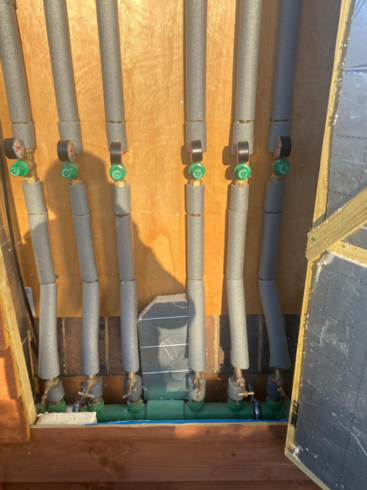 new connections for each almshouse
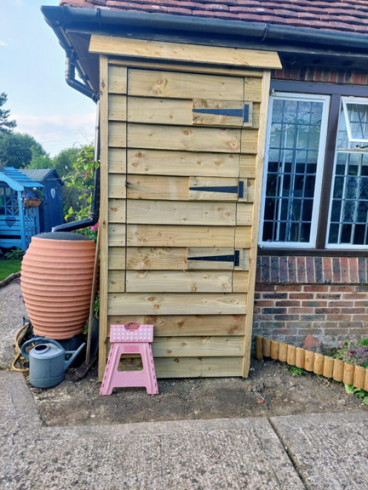 and manifold cupboard
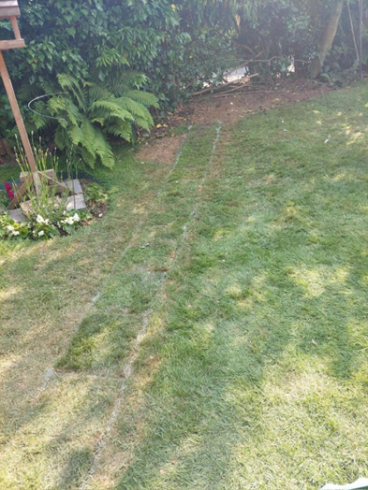 repaired lawn
Impact for residents
The completed and ongoing works have had a clear and positive impact on residents’ daily lives. Outcomes include:
- much more sanitary, modern bathrooms
- safer gas and water infrastructure, reducing risk and anxiety
- improved insulation, leading to warmer homes and better energy efficiency
- upgraded outbuildings and external areas, improving usability and safety.
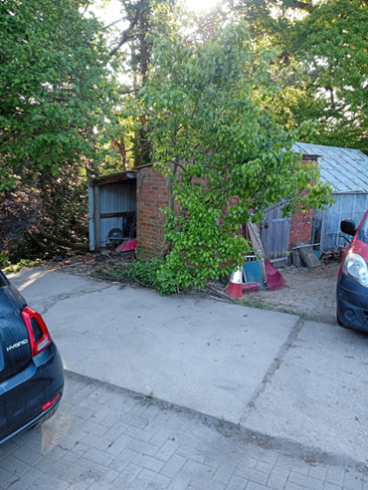 shed before
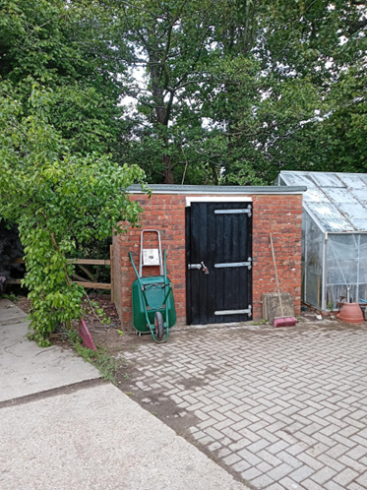 after
after
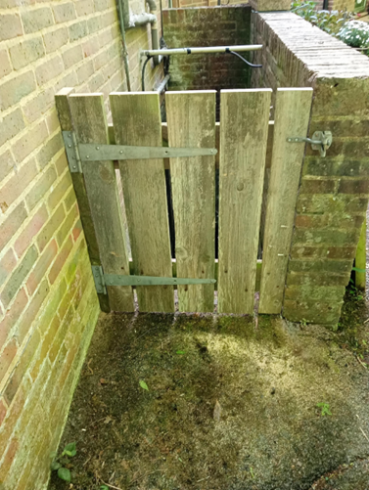 safety gate
Residents have expressed gratitude for the improvements and have already noticed increased efficiency in heating and water supply. The works have delivered not only practical benefits but also greater peace of mind for residents and trustees alike.
Challenges and learning
As with any project of this scale, there were logistical challenges in coordinating works across an occupied site. However, the project has remained largely on budget, and unexpected issues were addressed collaboratively rather than becoming crises.
For the trustees, the project reinforced several key lessons:
- The importance of teamwork, communication, and collaboration
- The value of acting before systems fail, rather than responding to emergencies
- A sobering but valuable realisation that some issues had been allowed to drift over previous years, and that timely intervention prevented far more serious consequences.
Looking ahead
With the final elements of fabric and access works due for completion in Spring 2026, the almshouses are now in a far stronger position. The trustees are better equipped to plan sustainably, set realistic WMC levels, and ensure that the almshouses continue to provide safe, secure homes for older people in the local community for many years to come.
Trustees of The Almshouses of the Holy Name